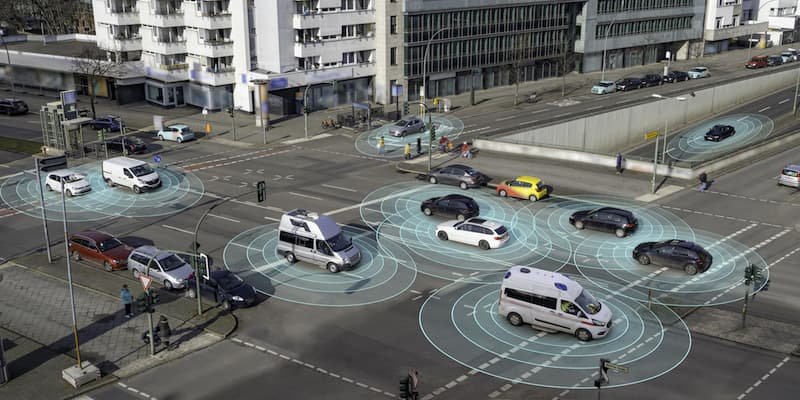

The United Arab Emirates (UAE) is driving full speed into the future, with autonomous vehicles (AVs) set to transform how people move, work, and live. Known for turning bold visions into reality, the UAE aims to become one of the first nations in the world where driverless cars are a normal part of daily life.
🌍 A Vision for the Future
The UAE government has set an ambitious goal — by 2030, at least 25% of all transport across the country will be fully automated. This vision aligns with the nation’s broader mission to reduce carbon emissions, minimize road accidents, and enhance mobility for residents and visitors.
Dubai is leading the charge through the Dubai Autonomous Transportation Strategy, launched by His Highness Sheikh Mohammed bin Rashid Al Maktoum. The initiative aims to revolutionize urban mobility with self-driving taxis, buses, and delivery vehicles, gradually reducing reliance on human drivers.
“Our goal is not just to build roads, but to build the future of mobility,” Sheikh Mohammed said during the launch of Dubai’s autonomous transport vision.
🚘 Testing and Implementation
To turn this vision into reality, Dubai’s Roads and Transport Authority (RTA) has been conducting extensive trials to ensure the safety and efficiency of AVs.
In 2023, RTA partnered with Cruise, a General Motors subsidiary, to introduce self-driving taxis in select Dubai districts. Following successful pilot runs, expansion plans are underway for 2025–2026, with the goal of eventually operating hundreds of autonomous taxis across the emirate.
Meanwhile, Abu Dhabi has been testing autonomous shuttles on Yas Island and Masdar City — two hubs of sustainability and smart-city innovation. These tests are helping the capital gather valuable data on how AVs perform in mixed traffic conditions.
🌿 The Benefits of Driverless Transportation
The UAE’s embrace of autonomous mobility offers far-reaching benefits that extend beyond convenience.
- Improved Road Safety – Over 90% of road accidents worldwide are caused by human error. AVs, powered by advanced AI and sensors, can eliminate risky behaviours like distraction and speeding.
- Reduced Traffic Congestion – Self-driving cars can communicate and coordinate, maintaining optimal spacing and flow.
- Environmental Impact – Most AVs are electric, directly contributing to the UAE’s sustainability goals by cutting emissions.
- Accessibility & Inclusion – Driverless vehicles will empower seniors, people with disabilities, and non-drivers, improving equality in transport access.
- Economic Efficiency – Automation reduces fuel waste, lowers operational costs, and makes ride-hailing more affordable in the long run.
⚠️ Challenges on the Road Ahead
Even with these advantages, the transition to autonomous driving faces several challenges:
- Regulatory Frameworks: New traffic laws and liability rules must clearly define accountability in the event of system errors or accidents.
- Public Trust: Many still hesitate to trust AI behind the wheel, highlighting the need for awareness campaigns and transparent safety data.
- Cybersecurity Risks: As vehicles become more connected, protecting them from hacking or system breaches becomes critical.
- Infrastructure Readiness: Roads, traffic signals, and digital maps must be upgraded for smooth AV integration.
Government agencies are already working with international partners to develop testing standards, data privacy frameworks, and AI safety protocols tailored for autonomous mobility.
🚀 What’s Next?
By 2026, Dubai is expected to have hundreds of self-driving taxis operating across key districts, with plans to gradually expand nationwide.
In Abu Dhabi, more AV shuttles will connect smart zones like Saadiyat, Reem Island, and Masdar City, while Sharjah explores autonomous public transport corridors.
The UAE’s partnerships with global technology firms — including GM Cruise, Huawei, and Waymo — continue to accelerate the country’s AV readiness. Each step brings the nation closer to redefining urban transportation as we know it.
💭 Final Thoughts
Autonomous vehicles are no longer science fiction in the UAE — they’re the next chapter in its story of innovation. With visionary leadership, strategic global collaborations, and a strong focus on sustainability, the UAE is positioning itself as a global testbed for the future of transport.
The road ahead is digital, intelligent, and driverless — and the UAE is already in the fast lane.
🔑 At a Glance
| Category | Details |
|---|---|
| Goal | 25% of UAE transport to be autonomous by 2030 |
| Leading Cities | Dubai, Abu Dhabi |
| Key Partners | Cruise (GM), Huawei, Waymo |
| Primary Benefits | Safety, sustainability, reduced congestion |
| Key Challenge | Regulation, infrastructure readiness |
| Lead Agency | Roads and Transport Authority (RTA) |
The UAE’s Big Leap: How Autonomous Vehicles Are Changing the Roads
The UAE is leading the global race toward driverless transportation. With autonomous taxis and shuttles already in testing, here’s how Dubai and Abu Dhabi are redefining the future of mobility.