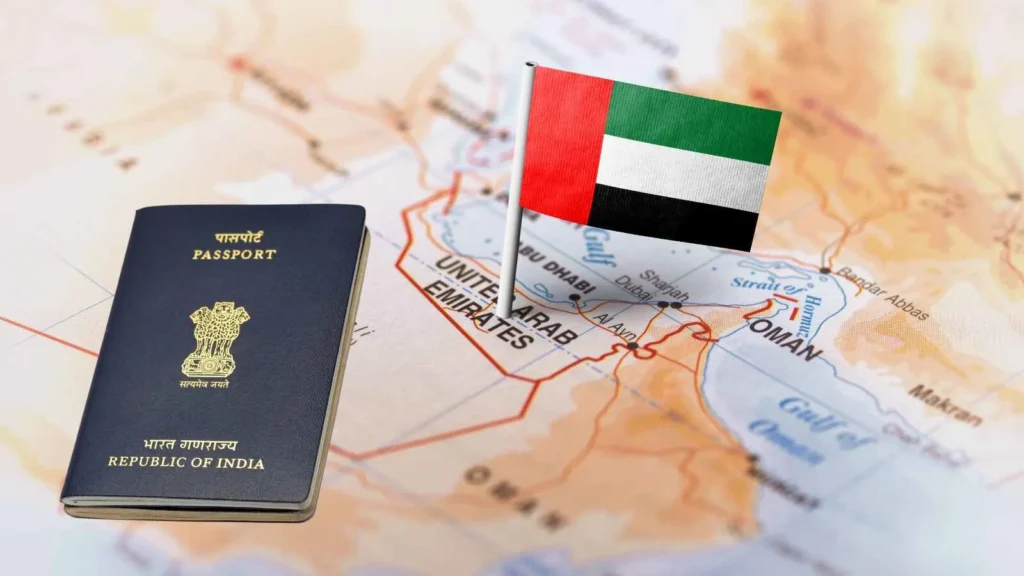

In its ambitious bid to become the global capital for artificial intelligence (AI) by 2031, Dubai is turning to one of the world’s fastest-growing technology powerhouses — India.
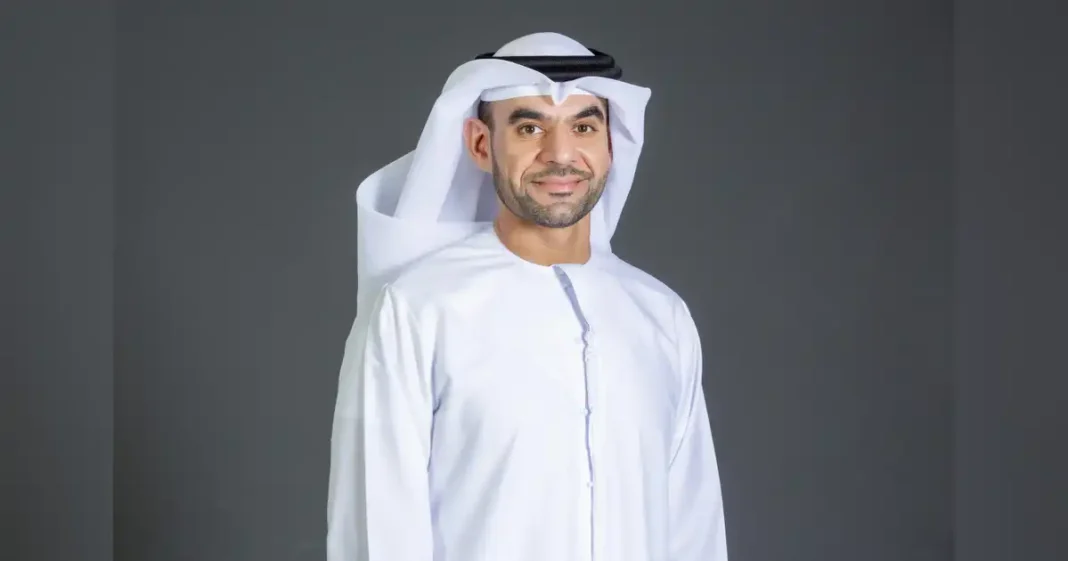
The Emirate’s push for AI leadership, spearheaded by Younus Al Nasser, Chief Executive of the Dubai Data and Statistics Establishment at Digital Dubai, underscores a new era of cross-border tech collaboration between the UAE and India.
Al Nasser emphasized that Indian entrepreneurs, startups, and innovators will play a crucial role in shaping Dubai’s AI-driven transformation.
“Dubai has adopted an open-door policy to embrace innovation from across the globe,” he said.
“India’s leadership in AI, clean mobility, space, fintech, and e-commerce makes it a natural partner in this mission.”
🧠 The 2031 Vision: Building the World’s AI Capital
Dubai’s AI roadmap took off in June 2023, when Sheikh Hamdan bin Mohammed bin Rashid Al Maktoum, Crown Prince of Dubai, launched the Dubai Centre for Artificial Intelligence (DCAI).
The centre’s mission is to train 1,000 government employees from 30 departments in generative AI, support 20+ technology startups, and integrate AI across governance and service delivery.
Complementing this effort is the Dubai Universal Blueprint for Artificial Intelligence, an annual strategy aligning AI adoption with the city’s economic goals. The initiative aims to generate AED 100 billion annually for the economy and boost productivity by 50% through digital innovation.
By mid-2024, Dubai had appointed 22 Chief AI Officers across key government entities and launched the Dubai AI Campus within the DIFC Innovation Hub — a dedicated space for AI and Web3 startups.
🇮🇳 India’s Growing Role in Dubai’s AI Ecosystem
The UAE’s engagement with India’s tech community is more than strategic — it’s symbiotic.
In 2024 alone, over 73,000 Indian companies registered with the Dubai Chamber of Commerce, marking a record surge. Many were AI, fintech, or digital-first ventures leveraging Dubai’s low regulatory barriers and future-ready infrastructure.
“Dubai’s success depends on partnerships with nations that lead in innovation — and India is clearly at the forefront,” Al Nasser remarked.
The deep cultural and economic ties between the two nations further strengthen this bridge. Indians make up over 40% of the UAE’s population, contributing to the Emirate’s creative and entrepreneurial fabric.
⚙️ From Paperless Governance to Predictive Policy
Dubai’s AI journey is built on two decades of digital transformation.
The story began in 2000 with the Dubai e-Government initiative, which introduced citywide ERP systems serving 75,000 employees. By 2021, Dubai became the world’s first fully paperless government, digitizing every public transaction.
That same year, Digital Dubai was created to unify efforts across seven pillars — from cybersecurity to the digital economy. The initiative ensures that every layer of the city’s administration is integrated, data-driven, and AI-ready.
🧩 Ethics and AI: Innovation with Integrity
Even as Dubai accelerates its AI rollout, it is coupling ambition with responsible governance.
Al Nasser emphasized that ethical AI and cybersecurity form the backbone of the city’s digital framework.
“Balancing innovation with public trust is central to our strategy,” he said.
Dubai’s regulatory ecosystem includes:
- Ethical AI Guidelines (2019) and AI Toolkit for government agencies.
- AI Policy for Government Entities, mandating transparency, explainability, and human oversight.
- Innovation sandboxes, allowing startups to test new technologies under monitored conditions.
Each government entity is also required to maintain an AI Ethics Review Committee, ensuring that automation aligns with human-centric values.
📊 Data Infrastructure Powering a Smart City
The backbone of Dubai’s AI ecosystem is its robust data infrastructure.
Key milestones include:
- Dubai Data Law (2016) and the Open Data Committee, enabling controlled data sharing.
- UAE PASS (2018) — a national digital identity system with over 9 million users, processing 600 million+ transactions across 15,000 services.
- Dubai Dashboard, which uses real-time and predictive analytics to track 14 key indicators — from tourism and traffic to environmental sustainability.
Today, Dubai has 1,200 anonymized datasets from 24 sectors available for public use — fueling innovation, research, and entrepreneurship.
🌍 AI for Humanity: The Human-Centric Vision
While cities around the world race toward automation, Dubai’s strategy remains human-centric.
Al Nasser reiterated that AI in Dubai is “not about replacing people, but empowering them.” The goal is to create a model of data-driven, sustainable, and inclusive urban living that other global cities can emulate.
As Dubai moves closer to 2031, collaboration with India’s vast talent pool — from engineers to AI ethicists — will remain a defining pillar of its success.
🔑 At a Glance
| Initiative | Details |
|---|---|
| Goal | Make Dubai the global capital of AI by 2031 |
| Economic Impact | AED 100 billion annually via digital economy |
| AI Officers Appointed | 22 across Dubai government |
| Indian Companies Registered (2024) | 73,000+ |
| Flagship Centres | Dubai Centre for AI, Dubai AI Campus (DIFC) |
| Ethics Framework | AI Toolkit, AI Policy, Ethics Committees |
| Key Partner | India – for talent, startups, and innovation |
Dubai Taps Indian Talent to Become the Global Artificial Intelligence Hub by 2031
Dubai is recruiting Indian entrepreneurs and startups to fuel its vision of becoming the world’s AI capital by 2031, backed by strong data governance, ethical frameworks, and smart city infrastructure.
Dubai bets big on AI — with Indian talent at its core.
The Emirate aims to become the global AI capital by 2031, inviting Indian startups and innovators to drive its next digital revolution.